Influencers · 25 November 2026
Dubai creators face licensing decisions as sponsored content becomes a professional business
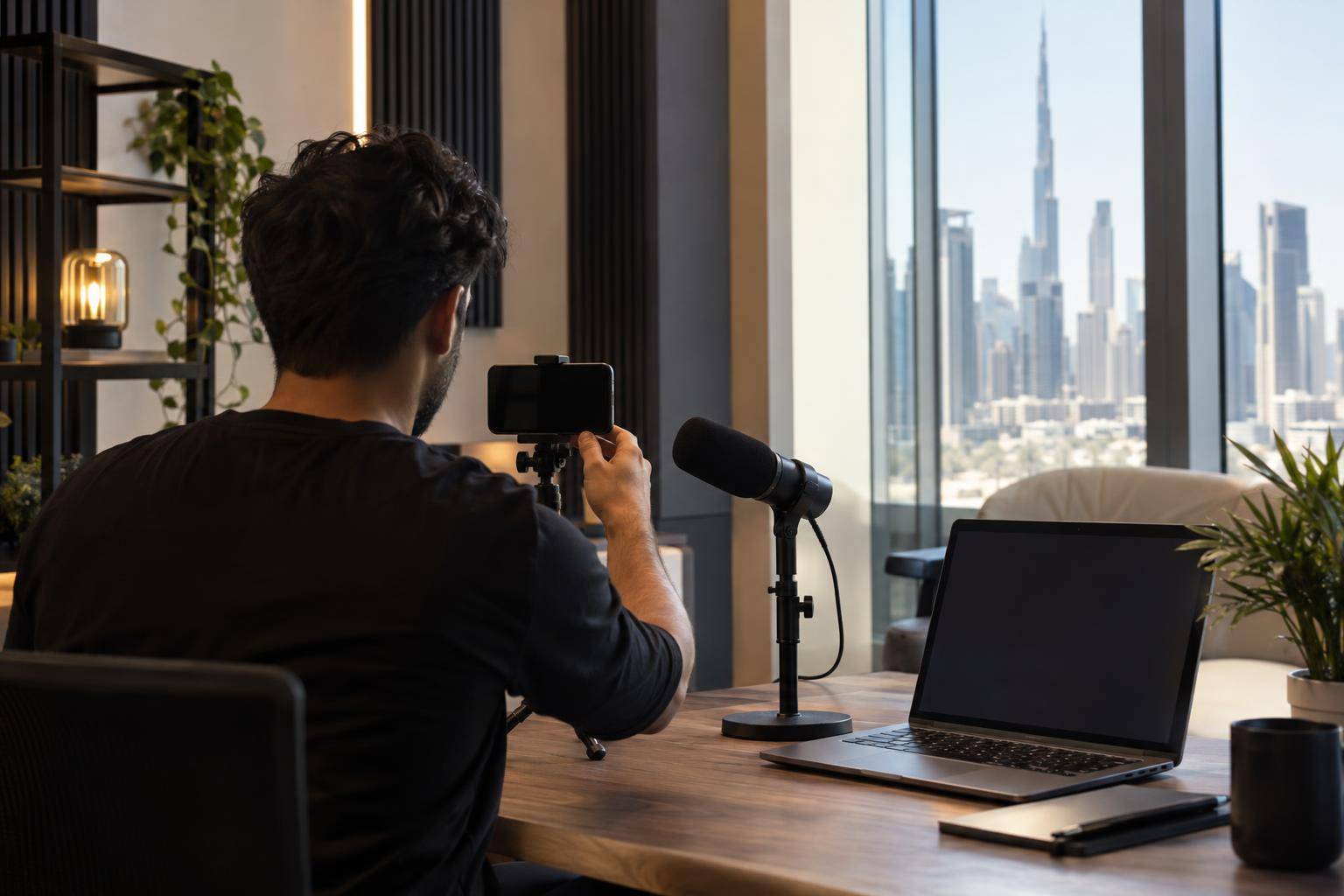
Influencers planning commercial content in Dubai in 2026 have licensing, disclosure and training choices to consider, according to a guide published by Angel in Dubai. The guide outlines UAE Media Council permits, freelance routes and creator development programmes, with implications for both cash payments and complimentary experiences exchanged for coverage.
- The guide lists an individual electronic media permit at AED 1,000 annually, with active UAE residency required.
- Complimentary stays, services and other valuable benefits exchanged for social exposure fall within its description of commercial advertising.
- Online permit processing is described as taking three to seven working days.
- Training programmes and an AED 150 million Creators Fund are presented as routes towards more professional content production.
Quick summary
The central distinction in the 2026 guide is between personal posting and commercial activity. Sharing family photographs, everyday experiences or personal opinions does not, by itself, require an influencer licence. Receiving something of value in return for promoting a business changes the position described in the guide.
That distinction matters because compensation is not limited to a bank transfer. A complimentary hotel stay, salon treatment or affiliate revenue can place content within commercial advertising. The guide also includes gifts exceeding nominal value, without specifying a monetary threshold.
It identifies the UAE Media Council as the regulator for electronic media permits and the Dubai Development Authority as an authority overseeing relevant freelance activity. For creators, the practical starting point is therefore the nature of their work: personal expression, sponsored promotion or a wider production business requiring an appropriate licensing route.
Permit routes and the costs listed
Angel in Dubai lists the individual Media Council permit at AED 1,000 a year. This route requires active UAE residency and does not supply a residency visa, making existing residency status an important part of the decision.
The guide compares that option with Dubai Media City's GoFreelance package, listed at AED 7,500 annually with a three-year visa. It also lists a Shams Media Permit at AED 5,750, with an optional investor visa, and agency representation with no upfront charge and an agency-sponsored visa.
These are different arrangements rather than interchangeable price points. The guide describes freelance packages as a route for creators seeking workspace and commercial production licensing, while a direct federal permit is presented for residents already sponsored through employment or family. It says relevant Dubai Development Authority permits allow freelance videographers, writers and digital influencers to invoice domestic corporate clients legally.
How the application process is described
The guide presents permit applications as an online process using UAE Pass. Before beginning, applicants are advised to gather their Emirates ID, current residency visa, proof of residential address and links to active social accounts. A passport copy also appears among the required uploads.
Applicants select the individual electronic media category or their chosen freelance tier, provide the handles for channels carrying sponsored content, and upload their identity documents. Payment is made online, with a UAE debit card or international credit card listed as accepted methods.
The stated processing window is three to seven working days. Successful applicants download a digital permit carrying a registration number and verification QR code. That timeframe is the guide's estimate, rather than a guaranteed deadline for every application. Its instructions emphasise accurate profiles and clear document copies as part of completing the process.
Why it matters for Dubai
The guide portrays Dubai's creator sector as moving beyond casual posting towards regulated professional production. Licensing is one part of that picture, alongside training, studio access and funding designed to help digital storytellers build media businesses.
It describes state-backed storytelling bootcamps and specialist academies connecting emerging creators with directors, editors and audience growth specialists. Training cohorts are listed as lasting four to twelve weeks. Workshops registered under KHDA supervision cover subjects including screenwriting, lighting, mobile cinematography and platform strategy.
The One Billion Followers Academy workshops are described as focusing on narrative structure, vertical video pacing and earning revenue across multiple channels, supported by practical studio experience. For Dubai, the significance is the connection between creative skills and commercial work. The guide presents industry introductions and access to marketing executives as part of the value of training, alongside stronger filming and editing techniques.
Funding ambitions beyond individual posts
The source describes an AED 150 million Creators Fund intended to support micro-studios, cultural documentary series and educational digital content. Support is presented as including production budgets, studio access credits and mentorship for work exploring local arts, scientific innovation and cultural stories.
Its listed application criteria point towards structured productions rather than loosely defined content ideas. Creators are expected to demonstrate original video storytelling and at least 10,000 active subscribers, alongside a detailed proposal focused on cultural, educational or technological narratives in the UAE.
The guide also calls for an itemised budget covering crew, camera rental and post-production, plus a commitment to deliver at least six high-definition episodes within six months. Storyboards and verified audience demographics are highlighted as preparation materials. Those requirements underline the guide's broader message: seeking production funding involves demonstrating both a creative concept and a workable delivery plan.
What it means for creators and venues
For creators and Dubai venues arranging Collabs, the guide makes the exchange of value the key consideration. A complimentary experience should not be treated as personal content simply because there is no cash fee. Where a stay or service is provided in return for public exposure, the guide describes it as commercial advertising.
That makes licensing and sponsorship disclosure relevant to the relationship from the outset. Creators need to distinguish their independent personal posts from agreed promotional coverage, while venues need to recognise that providing an experience can still create a commercial arrangement.
The guide says active UAE residency is required for the individual permit. For tourists and visit visa holders, it describes residency or working with a registered domestic talent agency as the relevant pathways for commercial work. Agency representation is therefore a separate arrangement in the guide, not something to assume from a venue invitation.
Disclosure and filming need attention too
Holding a permit is not the only responsibility described. The guide calls for clear on-screen sponsorship disclosures in Arabic and English, using wording such as Paid Ad or Sponsored. Presenting a sponsored testimonial as an independent personal recommendation is identified as a breach of consumer protection rules.
It also lists restrictions on promoting unregulated financial investments, tobacco and unlicensed health products. Online prize draws and giveaways require advance authorisation from economy departments, according to the source.
Production planning carries separate considerations. The guide says professional rigs, tripods or external lighting used for commercial filming inside stations and trams require specific RTA permits. Respect for privacy, local traditions and religious holidays is also emphasised. It cites fines starting at AED 10,000 for unlicensed activity and for sponsorship disclosure breaches, reinforcing its advice to address compliance before beginning commercial brand work.
FAQs
Do complimentary hotel stays count as commercial content?
According to the guide, yes, when the stay is exchanged for social media exposure.
What does the individual permit cost?
The guide lists AED 1,000 annually and says applicants must have active UAE residency.
How long does online approval take?
The stated processing window is three to seven working days.
Does every personal post need a licence?
No. The guide exempts casual personal posts, personal commentary and non-monetised artistic portfolios.
Source: angelindubai.com. Image is an illustration.