Things to Do · 28 October 2026
Dubai beyond the skyline: a first visitor’s guide to towers, souqs and dunes
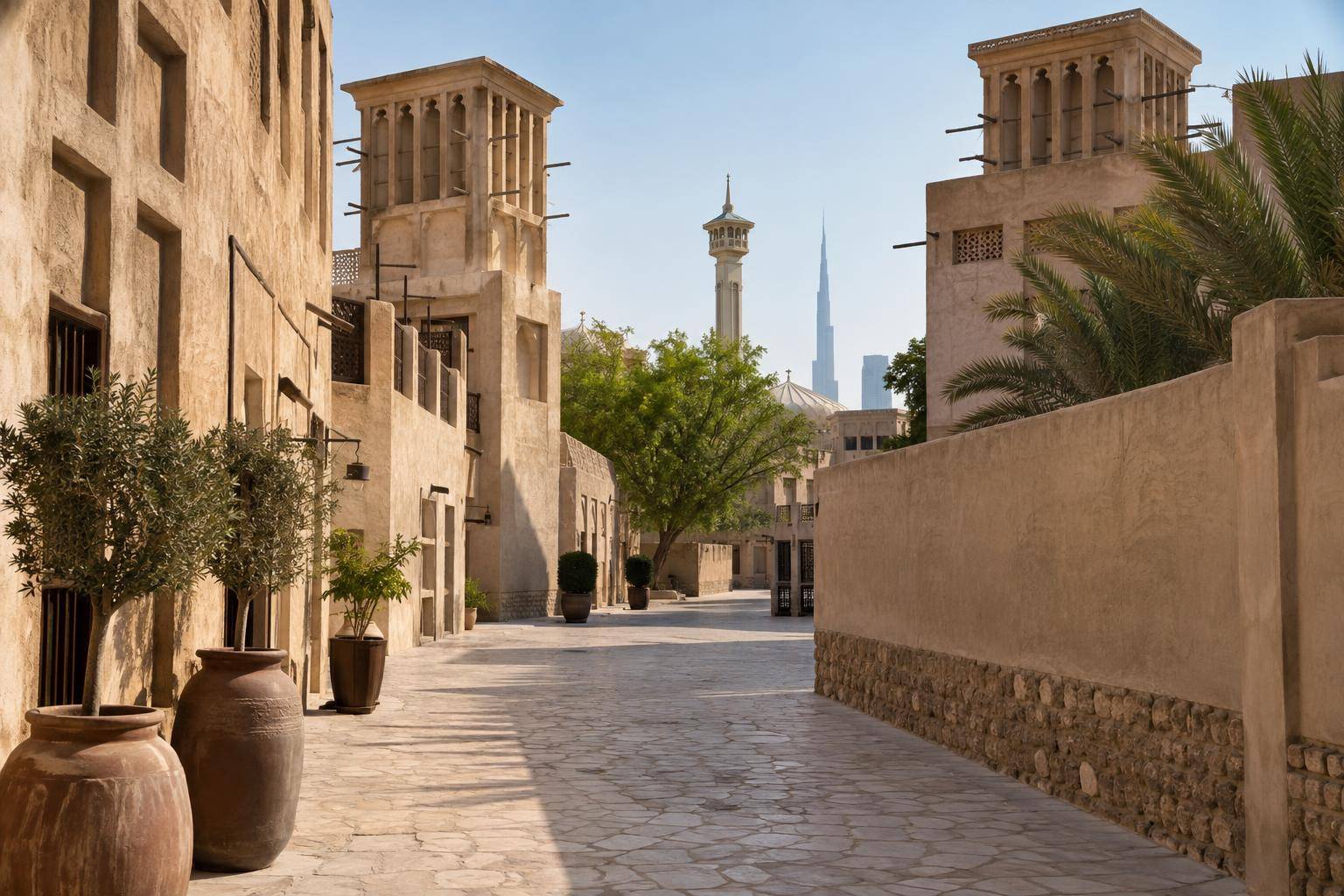
First-time Dubai visitors can explore towers, heritage neighbourhoods, markets and desert landscapes through Quartz’s selection of 20 experiences from Lonely Planet’s city guide. Updated on 27 October 2026, the Quartz roundup draws on Lonely Planet’s guide dated 16 July 2025, bringing together ideas for planning a varied Dubai stay.
- Quartz selects 20 experiences from Lonely Planet’s wider list of 23, rather than reproducing the complete guide.
- Burj Khalifa has paid viewing decks on the 124th and 148th floors, with different heights and starting prices.
- Al Fahidi and Deira’s Gold Souq bring heritage streets and traditional shopping into a first-time itinerary.
- Indoor attractions and desert excursions provide alternatives to tower visits, with advance booking advice for IMG Worlds of Adventure.
Quick summary
Dubai’s appeal in this selection is its range. A first visit can take in the wind towers of Al Fahidi, the jewellery traders of Deira and observation decks high above the city, without making any one type of attraction the whole trip. Museums, gardens, shopping and desert activities broaden the choices further.
The selection is not Lonely Planet’s full list. Quartz leaves out Mushrif National Park, Al Qudra Lake and the Perfume Museum from the original 23 experiences. Its overview also mentions the Dubai Frame, the Museum of Illusions in Al Seef and Dubai Butterfly Garden.
Treat it as a starting point for choosing what suits your visit, rather than a timetable to complete. The source gives considerably more practical detail for some attractions than others, and its quoted prices are undated Lonely Planet figures. Current costs should therefore be checked before booking.
Go high at Burj Khalifa
At 828 metres, Burj Khalifa is the world’s tallest building, but its visitor decks sit below the summit. At the Top occupies the 124th floor, 452 metres above ground. At the Top SKY is higher, on the 148th floor at 555 metres, and is described as the world’s highest outdoor observation deck.
Lonely Planet puts entry to the lower deck at approximately Dhs179 upwards, while the higher option starts above Dhs399. Those figures make the choice about both elevation and budget. Neither should be treated as a confirmed current ticket price.
The guide also makes a weather-dependent suggestion: when daytime visibility is hazy, consider visiting at night. For a different experience inside the tower, Atmosphere Burj Khalifa serves high tea on the 122nd floor, with Lonely Planet quoting approximately Dhs450 per person.
Elsewhere, the 150-metre Dubai Frame in Zabeel Park adds another architectural stop. Opened in January 2018, it has galleries that connect Dubai’s past with a vision of the city 50 years into the future.
Walk heritage lanes and explore the Gold Souq
Al Fahidi Historic District introduces a different scale of Dubai. Previously called the Bastakiya Quarter, the renovated heritage neighbourhood has narrow pedestrian passages between tan houses topped with wind towers. The waterfront development of Al Seef is next door, giving visitors another named place to consider alongside the district.
Deira’s Gold Souq brings traditional retail into the itinerary. Lonely Planet recommends an evening visit to see the market in action, and describes bargaining as an expected part of buying there.
The process starts with the buyer naming a figure lower than their intended spending limit. The seller then responds with a price above that opening bid but below the original asking price. The important distinction for a newcomer is that the first quoted amount is a starting point for negotiation, not necessarily the final cost.
Together, these stops make room for streets and trading traditions alongside Dubai’s headline towers. They are useful choices for visitors who want the older city represented in their plans.
Mix indoor attractions with desert time
IMG Worlds of Adventure brings more than 20 rides and attractions into an air-conditioned building. Its four zones are Marvel, Cartoon Network, Lost Valley Dinosaur Adventure and IMG Boulevard. Lonely Planet also counts 28 dining outlets, so eating and entertainment can remain under the same roof.
The guide recommends buying tickets online ahead of a visit, citing better rates and shorter queues. When the park opened in 2016, it was the world’s largest indoor theme park, according to Lonely Planet, with a footprint comparable to 28 football fields.
Desert excursions change the setting completely. The listed possibilities include camel trekking, sandboarding and overnight safaris. Lonely Planet highlights operators that combine dune activities with meeting Bedouins and sharing a traditional meal, making those inclusions worth looking for when comparing itineraries.
The guide also mentions renting a 4WD and staying at a desert resort as an alternative to an operator’s schedule. Dubai Desert Conservation Reserve appears separately among the selected experiences. The source does not establish that every desert activity described takes place within the reserve.
Keep gardens, museums and design on the shortlist
Not every entry comes with extensive visitor information, but several additional names help shape a more varied shortlist. Dubai Miracle Garden sits beside Dubai Butterfly Garden, according to Lonely Planet. Dubai Mall and Etihad Museum also feature among the guide’s experiences.
Dubai Design District adds contemporary design to the mix through a neighbourhood of galleries and showrooms. Meanwhile, the Museum of Illusions is identified as an attraction in Al Seef.
These entries are useful prompts, rather than complete visit plans. The supplied material does not give opening hours, booking requirements or admission prices for them. Choose which places interest you first, then confirm the practical details before building a day around them. That avoids treating a brief listing as a full guide to access or availability.
Why it matters for Dubai
The selection presents Dubai as more than a skyline destination. Its strongest contrast is between the monumental scale of Burj Khalifa and the smaller streets of Al Fahidi and Deira. Indoor entertainment, design spaces and desert trips add further ways to experience the city and its surroundings.
For a first-time visitor, that breadth is useful because it turns a general wish to see Dubai into distinct choices. Someone interested in architecture can prioritise the tower and Frame, while another visitor can give more attention to heritage lanes, shopping or the dunes.
The takeaway is variety, not a requirement to visit everything. A balanced shortlist can reflect different sides of Dubai without treating every named attraction as essential.
What it means for creators and venues
For creators considering Dubai coverage, the selection suggests clear editorial themes: heritage walks, observation-deck comparisons, indoor days out and desert itinerary choices. The strongest content can explain those differences rather than simply collect landmark images.
For venues thinking about Collabs, the practical lesson is to make the visitor experience clear. Location, activity type and confirmed booking information are more useful than relying on inclusion in a travel roundup alone.
This source does not announce any Collabs, creator access arrangements or venue partnerships. Its value is as an editorial starting point. Any proposed coverage should distinguish the guide’s recommendations from independently confirmed current details, especially where prices or tour inclusions are concerned.
FAQs
Is this Lonely Planet’s complete Dubai list?
No. Quartz selects 20 experiences from Lonely Planet’s list of 23.
Which Burj Khalifa deck is higher?
At the Top SKY, on the 148th floor at 555 metres.
When does the guide recommend visiting the Gold Souq?
Lonely Planet recommends the evening to watch the market in action.
Are the quoted admission prices current?
They are undated Lonely Planet figures and may have changed. Confirm prices before booking.
Source: qz.com. Image is an illustration.