Influencers · 15 November 2026
Virtual influencers bring cost and compliance questions for Dubai brands
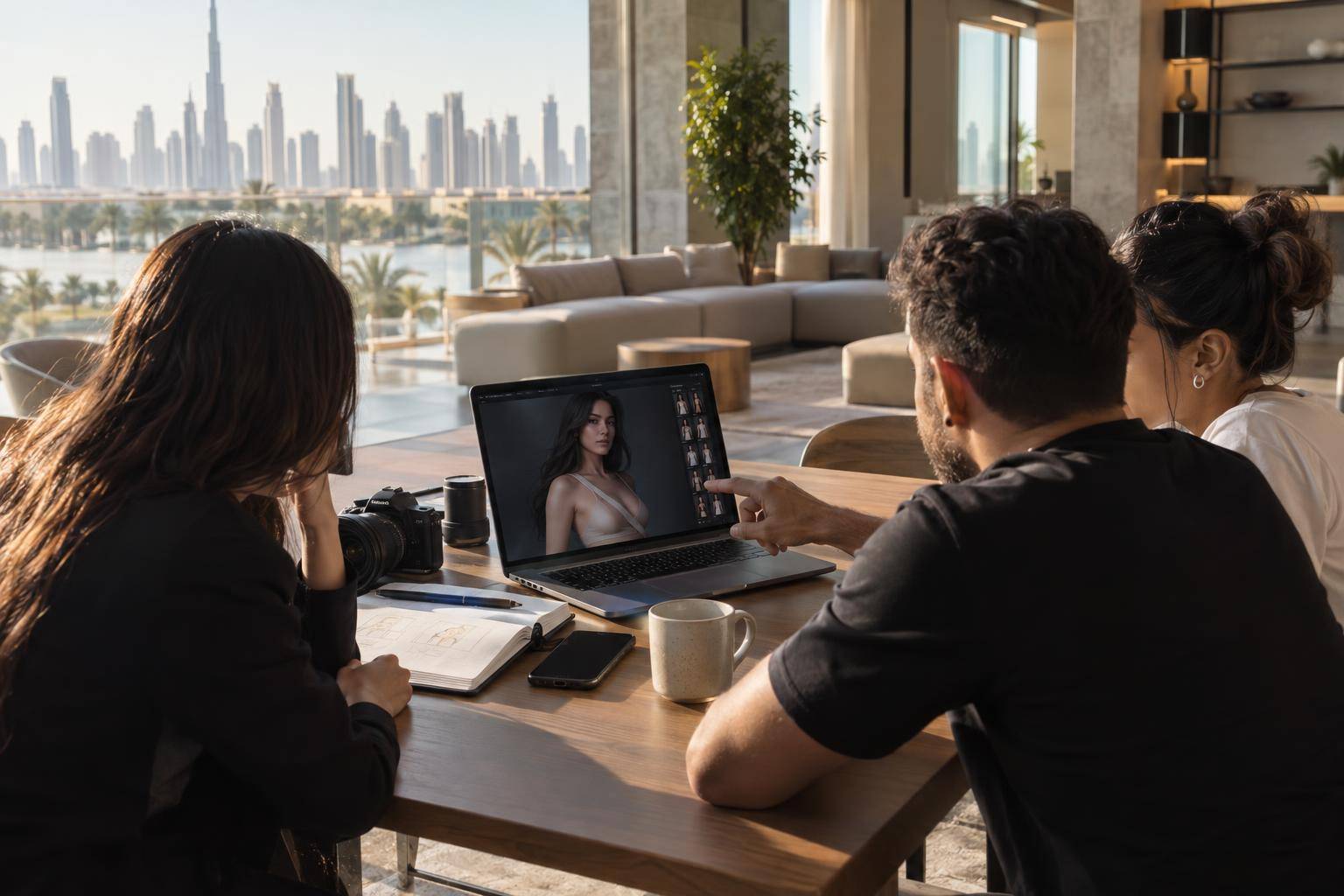
Dubai brands considering virtual influencers have fresh planning guidance from Nexysm, which published a review of costs, production choices and advertising requirements on 14 November 2026. Written by Farzad Torabi, the guide examines the UAE alongside other markets and argues that digital characters need clear ownership, transparent labelling and human oversight.
- Published agency prices vary considerably and should not be treated as verified market averages.
- Nexysm identifies UAE advertiser permits as a planning issue, while acknowledging uncertainty around brand-run virtual characters.
- Research summarised in the guide suggests virtual influencers are not automatically more persuasive than human creators.
- For Dubai Collabs, the practical distinction is between presenting a brand visually and claiming genuine personal experience.
Quick summary
Virtual influencer marketing involves using a digital character as a public-facing personality. Nexysm describes several routes: licensing an established character, booking through a representation agency, commissioning a bespoke identity, digitising an existing mascot or ambassador, or using managed AI accounts.
Those routes create different relationships with the asset. Licensing gives a brand access to an existing audience without ownership of the character. A commissioned identity belongs to the client only if the contract establishes that right. A digital version of a real ambassador also raises likeness-rights questions.
The guide's central message is that visual control does not equal authentic experience. A character can demonstrate an app or display clothing, but cannot truthfully describe a product changing its own life. That distinction matters when deciding which promotional role it should play.
Why it matters for Dubai
For Dubai businesses, the most directly relevant part of the guide concerns advertising permissions. Nexysm states that the UAE Media Council Advertiser Permit has been required since 1 February 2026, with fines reaching AED 1 million. It recommends agreeing who holds the permit for a character's account and displaying the permit number on its profile.
However, the guide also acknowledges an important limitation: its authors had not seen guidance directly addressing brand-run virtual influencers. It says the rules cover individuals, agencies and corporate accounts earning money from promotional content, and recommends assuming commercial character accounts fall within scope.
These are the source's descriptions, not a definitive legal assessment for every account. Nexysm advises consulting local counsel before launch. It also highlights separate platform requirements for realistic AI content on TikTok, Meta and YouTube.
The budget is bigger than the character
Nexysm found little public pricing: only one of five agency websites reviewed in November 2026 displayed a price. Its collected figures include €25,000 to €50,000 for a one-off digital human from Avataris and $58,000 to $150,000 for a custom 3D character attributed to LMG Media through Ainfluencer.
Separate Vinfluencer estimates put campaigns involving leading licensed characters at $50,000 to $250,000, with representation commissions of 15% to 25%. These are provider figures and estimates, not independently established market averages.
The guide also flags inconsistent monthly operating estimates within the same Vinfluencer material. Its practical recommendation is to request separate prices for development and ongoing management, plus written cancellation terms. A convincing character still needs scripts, editing, visual checks and community management, so the initial build cannot represent the whole budget.
Production choices shape the workload
The guide distinguishes conventional 3D CGI production from generative AI workflows. A fixed 3D model provides strong consistency and detailed control over movement, making it suitable for long-term character assets, games and augmented reality. Each post, however, requires posing, lighting and rendering.
Generative characters can be quicker and cheaper to produce per post, but their appearance needs checking each time. Complex actions are also more difficult. Nexysm suggests a hybrid approach: build a 3D character, then use images of it as references for generated content.
The broader budgeting lesson is not that automation removes production work. Rather, it changes where effort goes. Writing, reviewing continuity, editing and managing audience responses remain part of the process. For a brand weighing proposals, the production method should therefore be explicit, rather than hidden behind a single monthly fee.
Research challenges the automatic engagement pitch
Nexysm contrasts promotional claims about exceptional engagement and savings with academic findings. A 2026 meta-analysis of 46 experiments in the Journal of Advertising Research found virtual influencers performed worse on attitudes towards the influencer and message, but similarly on intentions and actual behaviour.
Audience size also mattered. The disadvantage appeared when follower numbers were low or concealed and became negligible when they were high. That makes launch planning particularly important for a newly created personality.
Photorealism is not a guaranteed solution. According to the guide, a 2025 International Journal of Advertising study found that human-like characters lost their advantage once sponsorship was disclosed. Separately, 2026 research in the Journal of the Academy of Marketing Science linked interactions with humans to greater perceived humanity and trustworthiness, improving engagement and purchase intent. Together, these findings support testing rather than assuming superiority.
What it means for creators and venues
For Dubai creators and venues planning Collabs, the guide supports giving human and virtual participants distinct jobs. A digital character can carry a consistent visual identity, while real creators provide the personal experience that an artificial personality cannot honestly claim.
Nexysm recommends establishing effective human creator content before testing a character alongside it, especially where trust is central to purchasing decisions. It also suggests using real creators, staff appearances and paid promotion to help a new character reach audiences during its early weeks.
Contracts deserve as much attention as creative concepts. The guide recommends clarifying ownership of design files, trained models, voices, accounts and audiences. Brands should also establish competitor restrictions, permissions from voice or motion-capture performers, responsibility for disclosures and who handles comments. Replies should never pretend that the character is human.
A measured launch, with an exit agreed
Nexysm's 90-day framework begins with one business objective and a documented character identity. Appearance, voice and consistency testing follow, before the team develops repeatable content formats, approvals and response rules. The soft-launch stage uses two or three posts a week and regular reviews.
Its proposed visual check involves generating the character 20 times across five settings. If the face is not recognisably consistent, the guide recommends delaying launch.
Success criteria should be agreed in advance. At day 90, the suggested review compares engagement against the brand's strongest human creator content, examines comment sentiment and assesses cost per result. The outcome can be to continue, revise or stop. Before any of that, the contract should explain what happens to the accounts, followers and creative assets when the agency relationship ends.
FAQs
Can a virtual influencer replace a human creator?
Not for genuine personal testimony. Nexysm recommends testing characters alongside established human creator content rather than assuming they are a replacement.
Are the quoted costs Dubai agency rates?
No. They are published provider figures and estimates collected by Nexysm, not a Dubai pricing survey or verified market averages.
Does a virtual account need a UAE permit?
Nexysm recommends assuming commercial character accounts are covered, but notes the absence of direct guidance it had seen. Seek local legal advice.
What should brands check before signing?
Confirm asset and account ownership, ongoing fees, exit terms, likeness permissions, disclosure responsibilities and who manages audience replies.
Source: nexysm.com. Image is an illustration.